

Paul van Hoeydonck
The architect of light
Paul Van Hoeydonck is not a painter of what he sees, but of what could be. His work does not look at the world, it looks at us from the outside, as if we were a planet in a larger rhythm of time and light. He is the artist who leaves the earth without ever leaving. His art whispers: 'Man is small, but his imagination is infinite.'
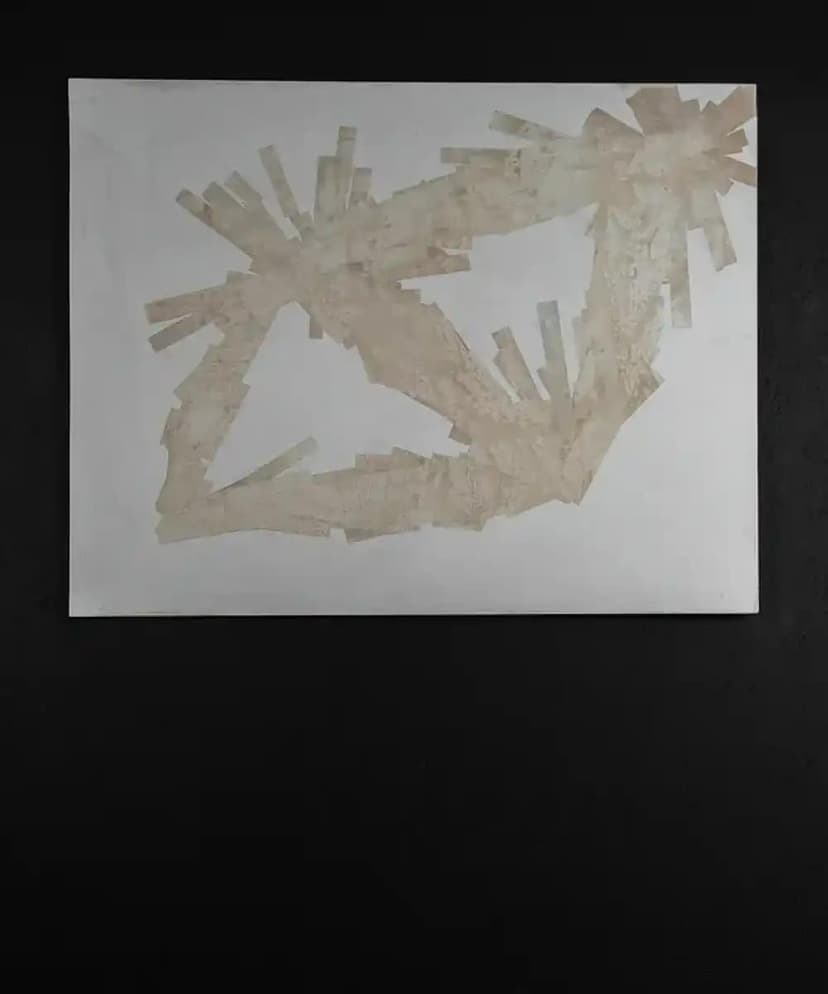
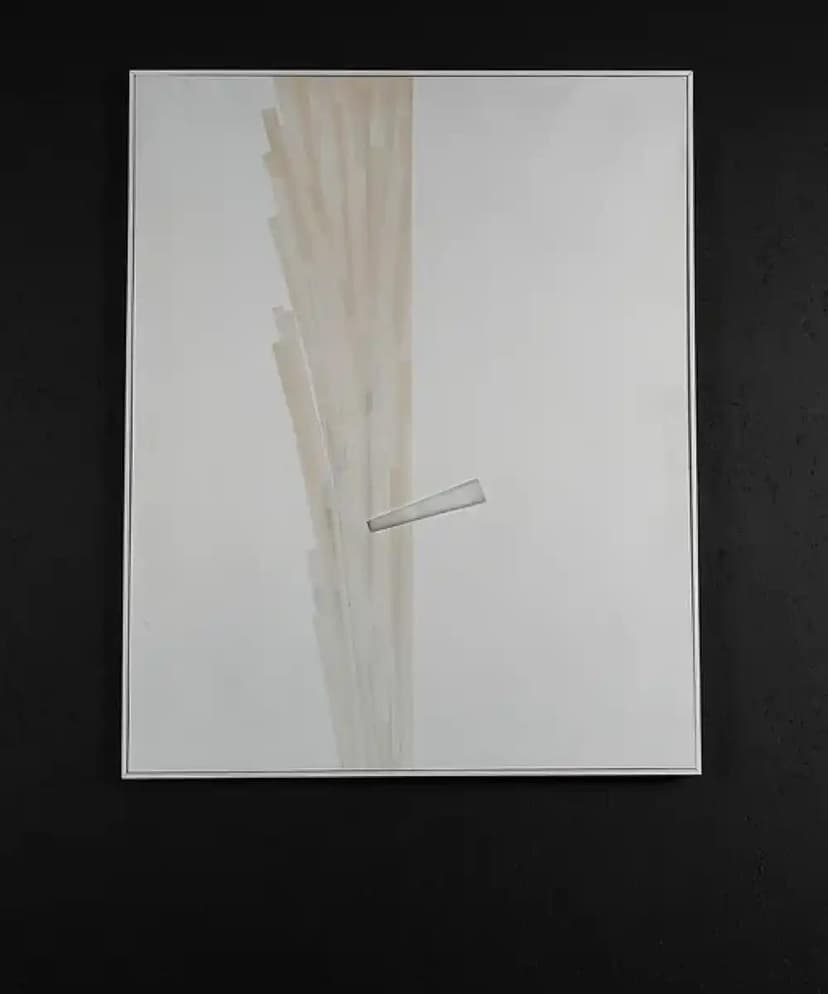
Man
Paul Van Hoeydonck was born in Antwerp in 1925. He studied art history and archaeology, but chose the future over the past. From the outset, he was fascinated by the relationship between man, technology, and the universe. Van Hoeydonck looks up at the stars, space, and the dream of weightlessness.
His studio is not a refuge, but a launch pad. His thinking is clear, methodical, almost scientific.
"I want people to find themselves in the light," he says, "because that is what remains when everything else disappears."
Moment
In the 1960s, the world was under the influence of technology and imagination. Man took his first steps on the moon and Paul Van Hoeydonck followed with his brush and sculpture. In 1971, the Apollo 15 mission placed his miniature sculpture, Fallen Astronaut, on the moon. It is still the only work of art there.
Yet its true significance lies not in that single historical moment, but in the visual poetry of his work with light objects, transparent sculptures, and reflections of space.
Matter
Van Hoeydonck works with light, Plexiglas, aluminum... These are materials that do not paint, but reflect.
In the 1960s, he began his Lightworks series. These are objects in which light does not illuminate something, but becomes the subject itself. They are compositions of transparent forms, through which light breaks and paints shadows.
Here, the painter is no longer the one who applies color, but the one who composes light.
The Lightworks reveal the core of Van Hoeydonck's thinking. He sees man as a mirror, light as memory.
What is his greatest contribution to art history?
Paul Van Hoeydonck brings man back into dialogue with the infinite. He is the first artist to literally place art outside the earth.
He shows that modernity does not have to be cold, that Plexiglas and metal can breathe, that light has emotion.
Can we consider him a master?
Yes, Van Hoeydonck is one of the rare Belgian artists with an international mythical status. He is in line with Magritte's imagination, Leblanc's structure, and Peire's verticality. He focuses his gaze on space, time, and the future.
His work combines Flemish precision with cosmic poetry. He is not a master of the canvas, but of light itself.
A work of his in every household?
Yes, a work by Van Hoeydonck creates freedom and space in the mind. In a time of abundance and noise, his work reminds us that silence and light are enough. His Lightworks not only bring light into a room, but also light into the mind.
A Van Hoeydonck in the house is a reminder that we ourselves are also stardust.